
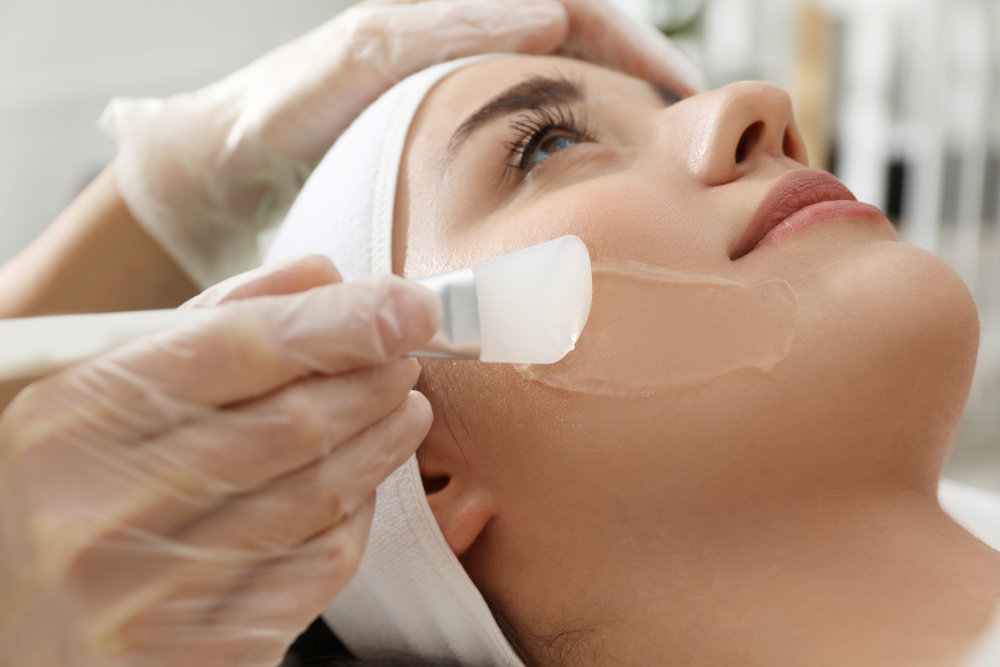
The more years that you spend in the sun, the more you may start to notice changes. These may be fine lines, which tend to show up in the thin skin around your eyes or lips. Eventually, you may notice deeper lines that are noticeable even when your face is at rest. One way to refresh your skin and reduce these changes is to schedule a chemical peel at Vibrant Rejuvenation. This treatment in Long Island removes the old layers of skin to make room for fresh layers that are smoother and more resilient.
The Causes of Aging Skin
Skin changes come from two different sources. One is difficult to prevent because it occurs inside your own body, and the other comes from exposure to environmental factors. Everyone’s skin ages at a different rate because of a combination of these two causes:
Intrinsic
Intrinsic aging is the natural slowdown of natural processes in the body that happen with age. Fibroblasts, the cells that produce collagen, become less active after your mid-twenties. The skin also thins and elasticity drops, and repairing may take longer than it did before. These processes are genetic and can’t be prevented, though your skin can be supported so they have less of an effect.
Extrinsic
Extrinsic aging comes from outside exposures. UV radiation, pollution, smoking and repeated facial movement break down skin structure faster in some people than in others. Some of these factors are avoidable, while others are not. In both cases, there are steps you can take to protect your skin and reduce the impact of exposure to extrinsic aging factors.
Why Sun Damage Accelerates Signs of Aging
Sunlight has UVA and UVB rays that penetrate different depths of the skin. UVB stays at the surface of the skin and is responsible for sunburns. UVA reaches into the dermis, where proteins such as collagen and elastin are. This deeper penetration causes oxidative stress and eventually leads to dark spots and premature aging.
What Happens to Skin Cells When They Are Exposed to UV Light
UV exposure sets off a chain reaction inside skin cells that damages the structure and disrupts pigment production.
Collagen Breakdown
UV rays activate enzymes called matrix metalloproteinases and increase the natural processes that break collagen and elastin fibers down in the skin. The skin tries to repair the damage but does not always do this efficiently. The scaffolding that keeps skin firm weakens with time, causing sun-exposed skin to look thinner and to be less springy than skin that is protected.
Sun Exposure
Melanocytes react to UV by producing extra pigment as a defense. Repeated exposure causes some cells to overproduce, leaving behind sunspots and freckles and causing the skin to have a less even tone overall. Once these clusters form, sunscreen can’t do anything to fade them, though it can help prevent more sun spots. The best way to treat sunspots is with treatments that remove the damaged cells.
Fine Lines
Fine lines start to appear in areas where the collagen has thinned, and the skin no longer bounces back from repeated movement or dehydration. They are common around the eyes, mouth and forehead. Because they are closer to the surface, they often respond well to rejuvenating treatments.
How a Chemical Peel Works
A chemical peel is a solution of customized acids that is placed on the skin. The acids dissolve the bonds that keep damaged surface cells attached. As these cells lift away, the skin reacts as though there were an injury and begins to start a healing response that includes new cell growth and fresh collagen production. We choose the specific blend of acids based on your skin type and how deep your sun damage is.
What Happens to Your Skin After a Chemical Peel?
Cell Turnover and Skin Remodeling
Younger skin replaces itself every 28 days. By your fifties, this cycle will have extended to 45 days or longer. Skin may start to look duller and have a rougher texture because of this slower process. A peel accelerates the cycle by removing the top layer and allowing newer cells to be visible.
Gradual Collagen Production
Fibroblasts respond to the peel by producing new collagen and elastin over the following weeks. Repeated superficial peels can cause this collagen production to continue, with results that compound after every session. We may recommend a series of chemical peels for deeper sun damage.
Choosing the Right Depth for the Results
Peels can be either superficial (light chemical peels), medium or deep. The depth depends on the blend of acids used, their strength and how long they are left on the skin. Superficial peels refresh the skin’s tone and texture and have minimal downtime. Medium peels are used for deeper wrinkles and fine lines and for patients who want a comprehensive treatment and don’t mind more downtime. Deep peels are not used as often anymore because of the long downtime and increased risks.
Why Medical-Grade Peels Are Better Than At-Home Treatments
Drugstore acids are limited to concentrations that regulators consider safe for untrained use. That cap keeps them from producing the collagen response that treats deeper lines and sun damage. Vibrant Rejuvenation uses PCA SKIN and ZO Skin Health peels, which offer clinical strengths under provider supervision. Dr. Copelin’s background in aesthetic medicine means the peel is matched to your skin, which lowers the risk of irritation or pigment complications.
Does a Chemical Peel Always Cause Heavy Peeling?
Despite the name, chemical peels do not always involve large amounts of peeling. Most peels performed at Vibrant Rejuvenation will cause light flaking at most, which is easy to conceal, and many patients have no visible peeling at all. The renewal is focused on the inside, where your body is working behind the scenes to produce more collagen.
Get Started With Your Personalized Chemical Peel in Long Island, NY
At Vibrant Rejuvenation, our focus is on enhancing the features you already have instead of changing how you look. We value natural beauty and treatments that help your body do what it already does well. Each peel is selected through a careful consultation process where we spend plenty of time with you to find the right treatment plan. Call 631-486-8566 or request an appointment online to discuss which peel fits your skin.