
By the time winter ends, your skin may not just look dull. It may feel tight, rough and strangely uneven all at once. That is because “dry, flaky skin” after winter is rarely one simple issue. Cold outdoor air, indoor heat and low humidity can all pull water from your skin and weaken the barrier that keeps moisture in.
The best treatment is not always the strongest or most aggressive one. Sometimes your skin needs exfoliation. Sometimes it needs barrier repair. Sometimes it needs both, in the right order.
What Does Winter Weather Do to Your Skin?
Winter weather does more than make your skin feel dry. Cold air, indoor heating and low humidity can disrupt your hydration levels and weaken your skin barrier. As moisture escapes and dead skin cells accumulate, your skin may look dull, rough or flaky by the end of the season. Many people need more than a moisturizer to restore their skin after winter.
Low Humidity Pulls Moisture Out of Your Skin
Cold winter air contains very little humidity, and indoor heating can make the air even drier. When humidity drops, moisture evaporates from your skin more quickly. This process can leave your skin feeling tight, dehydrated and uncomfortable.
Indoor Heating Weakens Your Skin Barrier
Your skin barrier helps keep moisture inside your skin while protecting it from irritants. When your skin becomes dehydrated, this barrier can weaken. As a result, your skin may become more sensitive and prone to redness or irritation.
Dead Skin Cells Build Up on the Surface
Dry conditions can also slow the natural shedding of dead skin cells. Instead of shedding evenly, these cells accumulate on the surface. This buildup often causes the flaky patches and dull texture many people notice after winter.
At Vibrant Rejuvenation, we carefully evaluate your skin before recommending the best treatment plan to restore smooth, healthy-looking skin.
What Treatment Is Best for Dry, Flaky Skin After Winter?
Once winter disrupts your skin barrier and causes dead skin buildup, the goal of treatment is to restore hydration while gently renewing the surface of your skin.
The best treatment depends on your skin’s condition, sensitivity and overall goals. Here are our facial treatments:
Customized Facials For Hydration and Skin Barrier Repair
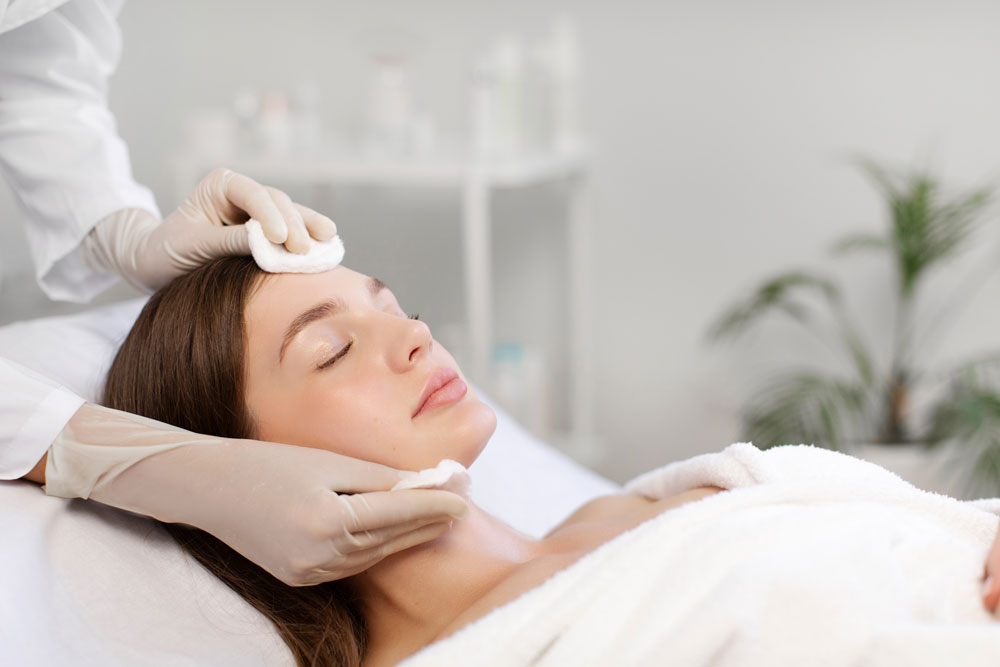
For skin that feels dry, tight or sensitive after winter, a medical-grade facial is often the best starting point. Customized facials focus on restoring moisture, calming irritation and gently removing surface buildup. These treatments help rebalance your skin without causing additional dryness.
Our facials are tailored to each patient’s skin type and concerns, allowing providers to address dehydration, dullness and uneven texture in a single treatment.
Chemical Peels For Flaky Skin and Surface Buildup
If your winter skin is rough or uneven, a chemical peel may provide stronger exfoliation. Chemical peels dissolve the bonds that hold dead skin cells on the surface, allowing fresh skin to emerge. This can improve texture, brightness and overall skin clarity.
We offer professional chemical peels from PCA SKIN® and ZO® Skin Health, designed to treat dull skin, uneven skin tone, and congestion while supporting your long-term skin health.
Microneedling For Texture and Skin Rejuvenation
Once your skin barrier is restored, microneedling may be recommended to improve skin texture and overall rejuvenation. Microneedling stimulates collagen production by creating tiny microchannels in your skin. Over time, this process can help improve rough texture, fine lines and overall skin tone.
For patients whose winter dryness is accompanied by early signs of aging or uneven texture, microneedling can help restore smoother, healthier-looking skin.
PRP Microneedling for Skin Rejuvenation
This treatment combines microneedling with platelet-rich plasma (PRP) derived from your own blood. A small sample is drawn and processed to isolate PRP, which contains growth factors that support tissue repair and collagen production.
As microneedling creates tiny microchannels in the skin, PRP is applied to the treatment area so that these growth factors can penetrate more deeply. This helps stimulate your body’s natural healing response and improve overall skin texture and tone.
When Is the Best Time to Start Skin Treatments After Winter?
Many patients wonder if there is a “right time” to address winter skin damage. In most cases, early spring is an ideal time to begin treatment.
As temperatures rise and humidity levels increase, your skin often becomes more receptive to hydration and renewal treatments. Addressing dryness and buildup early in the season can help restore a smoother texture and healthier glow before sun exposure increases during the summer months.
Starting treatment sooner can also help improve your skin’s ability to absorb skincare products. Once dead skin buildup is removed and hydration is restored, your serums and moisturizers tend to work more effectively. For many patients, a professional facial serves as a seasonal reset for the skin, helping transition from winter dryness to healthier spring skin.
Restore Healthy, Hydrated Skin After Winter
Dry, flaky skin is one of the most common concerns patients experience at the end of winter. Cold temperatures, low humidity and indoor heating can disrupt the skin barrier and lead to dehydration, rough texture and dullness. While moisturizers can help temporarily, professional treatments provide more effective and longer-lasting improvement.
Customized facials, medical-grade chemical peels and advanced skin rejuvenation treatments can help remove dead skin buildup, restore hydration and support healthier skin renewal. The key is choosing the treatment that best matches your skin’s current condition.
At Vibrant Rejuvenation, patients across Long Island receive personalized skin assessments and treatment recommendations designed to address immediate skin concerns and improve long-term skin health. Schedule your consultation to discover which facial treatment is best for your skin.